
This post may contain affiliate links.
🌊 Contents: Vila Vella | Beaches | Culture | Restaurants | Hotels | Gallery | FAQ
Tossa de Mar is a jewel of the Costa Brava, located on the Girona coast about halfway between Barcelona and the French border. To the south lies the lively resort town of Lloret de Mar, while to the north is Sant Feliu de Guíxols. Just 75 kilometers from Barcelona, Tossa is less than a 90-minute drive, making it a favorite weekend escape.
Blending golden beaches, medieval heritage, and a rich artistic legacy, Tossa offers a perfect balance of culture and natural beauty.
Vila Vella: A Fortress by the Sea

***
The town’s history stretches back to the Neolithic period, with evidence of Iberian and later Roman settlements during the 1st century BC. Perched on the highest point of Mount Guardí, the Vila Vella enceinte (the walled old town) dates from the 12th century and is the only surviving fortified medieval town on the Catalan coast.

***
The Vila Vella’s stone walls, dotted with seven watchtowers, create one of the most iconic silhouettes of the Costa Brava. Strolling through its cobblestone lanes feels like stepping into another era, with rustic stone houses, small squares, and panoramic views of the Mediterranean.
Beaches and Natural Beauty

***
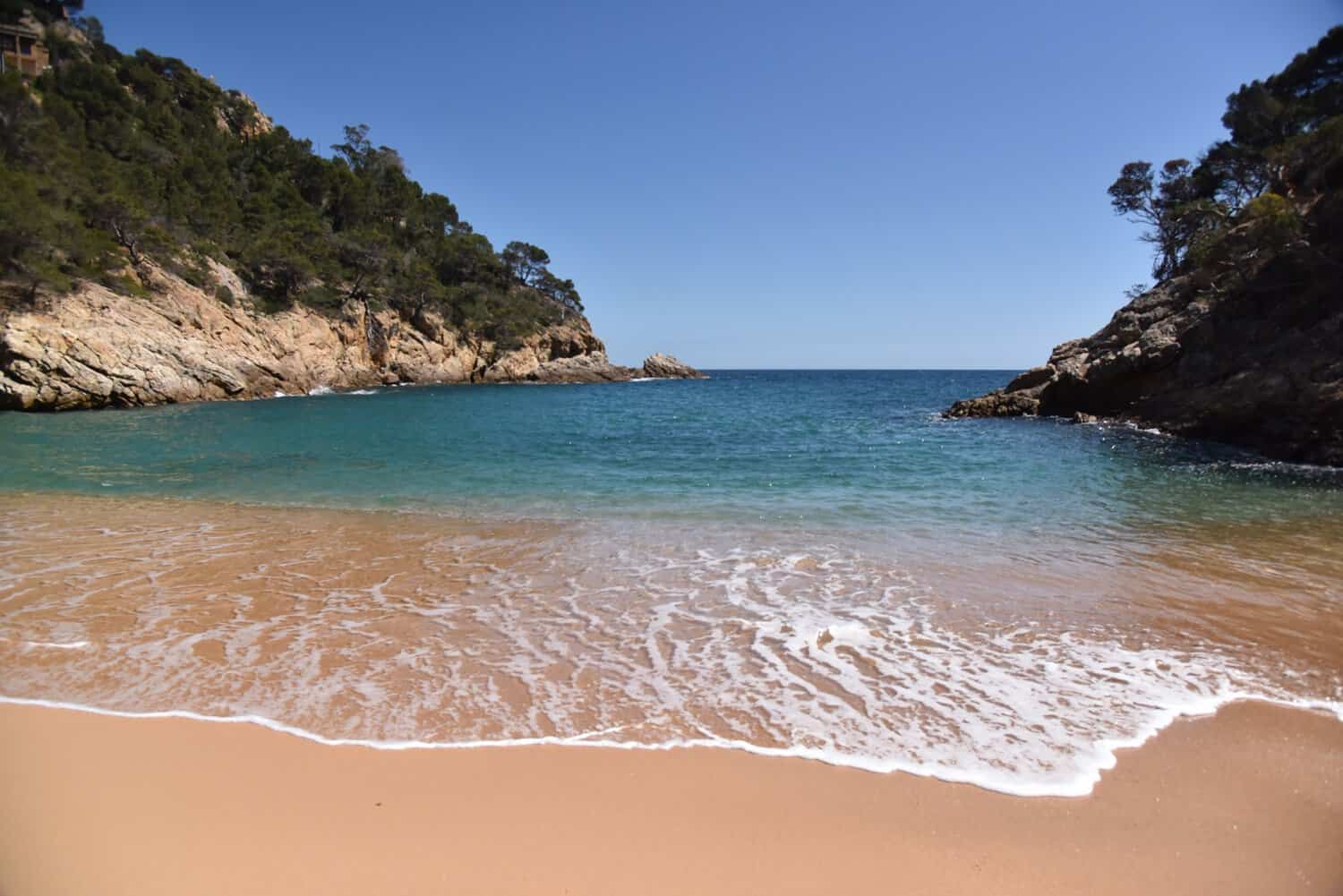
Tossa’s beaches are among the finest on the Costa Brava. Platja Gran, the main beach, curves along the bay beneath the medieval walls, creating a postcard-perfect view. A short walk north lies Platja de la Mar Menuda, a smaller but equally inviting stretch of sand popular with families and snorkelers. For something more intimate, head to Platja d’es Codolar, a picturesque cove framed by cliffs where fishermen once pulled in their boats.
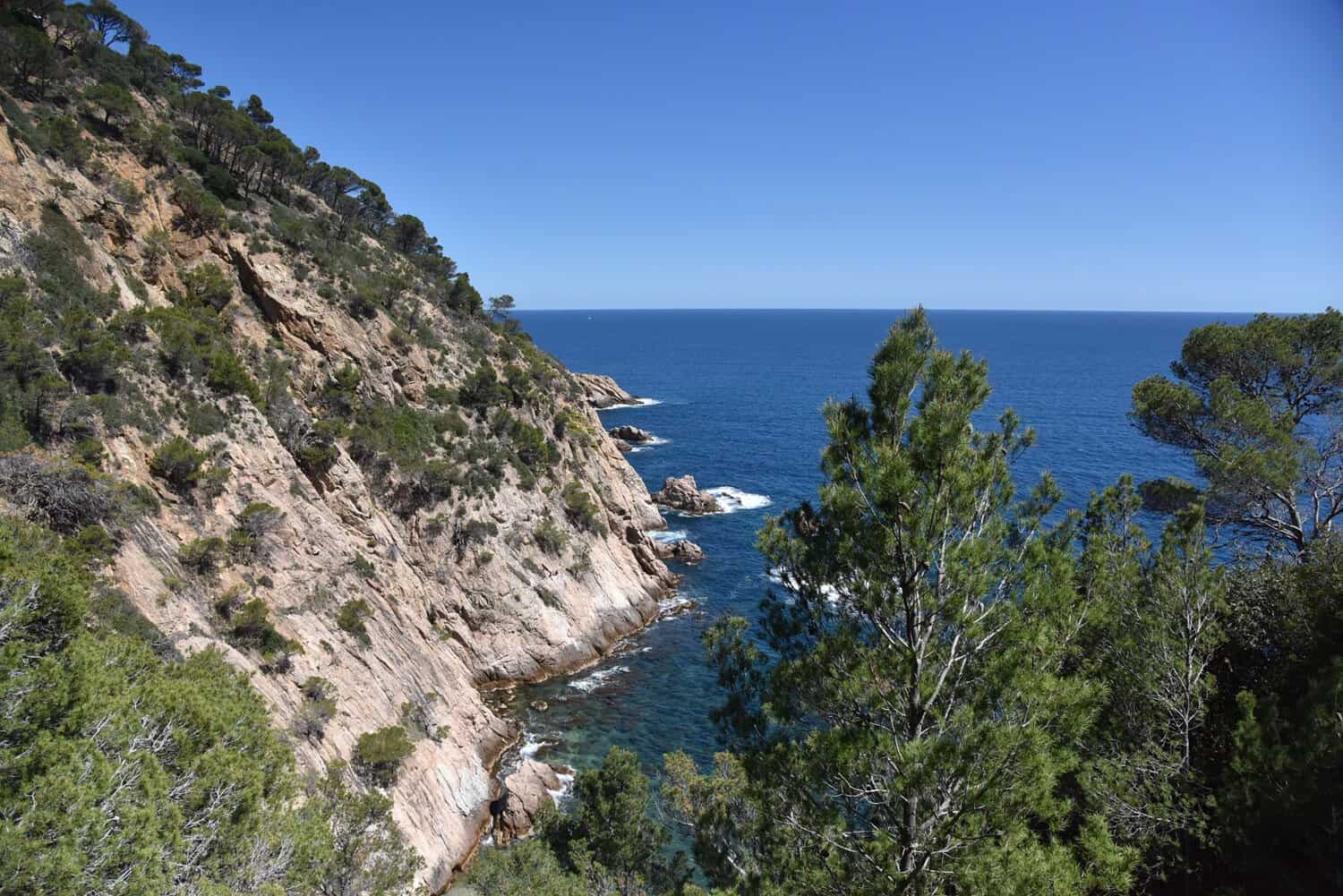
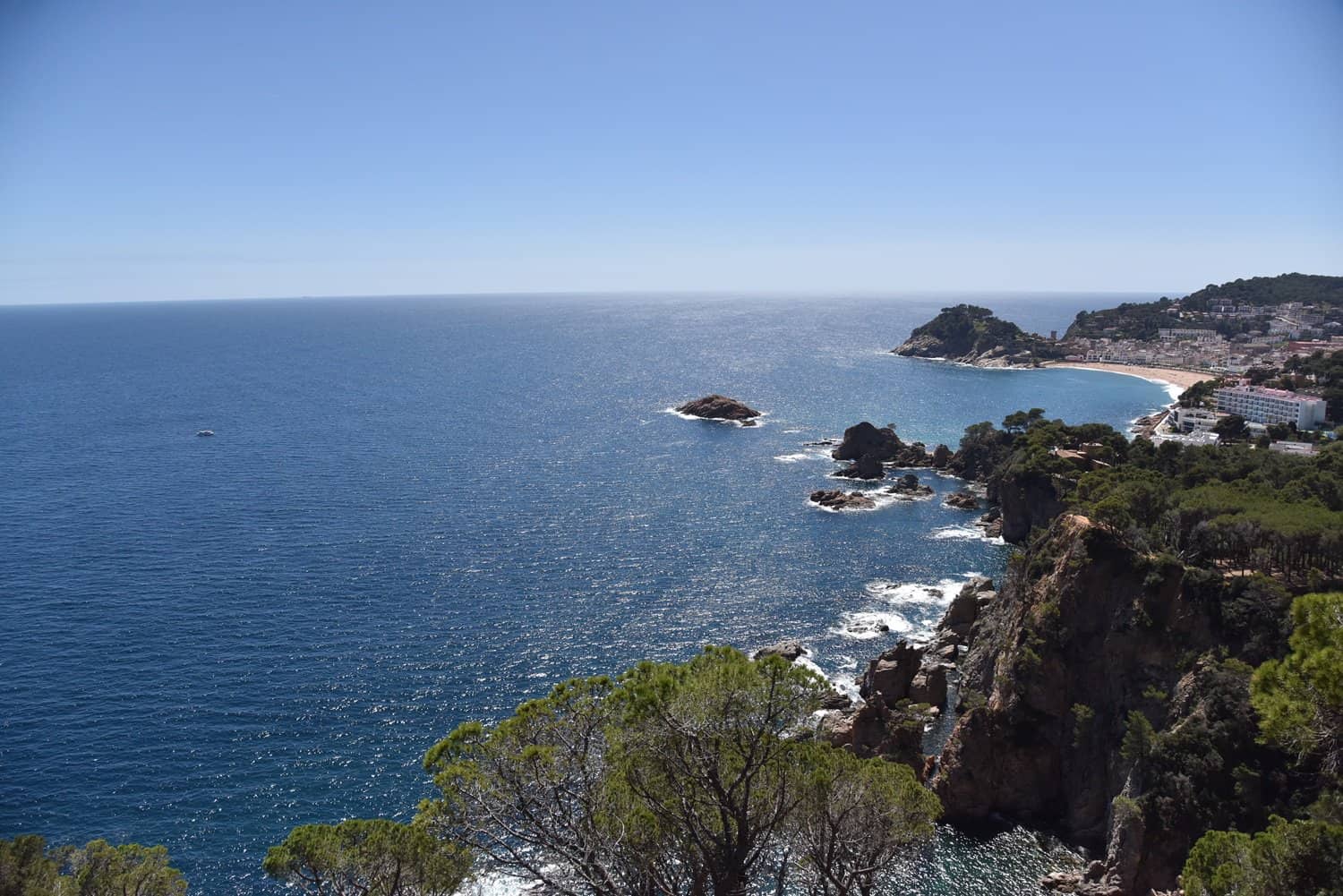
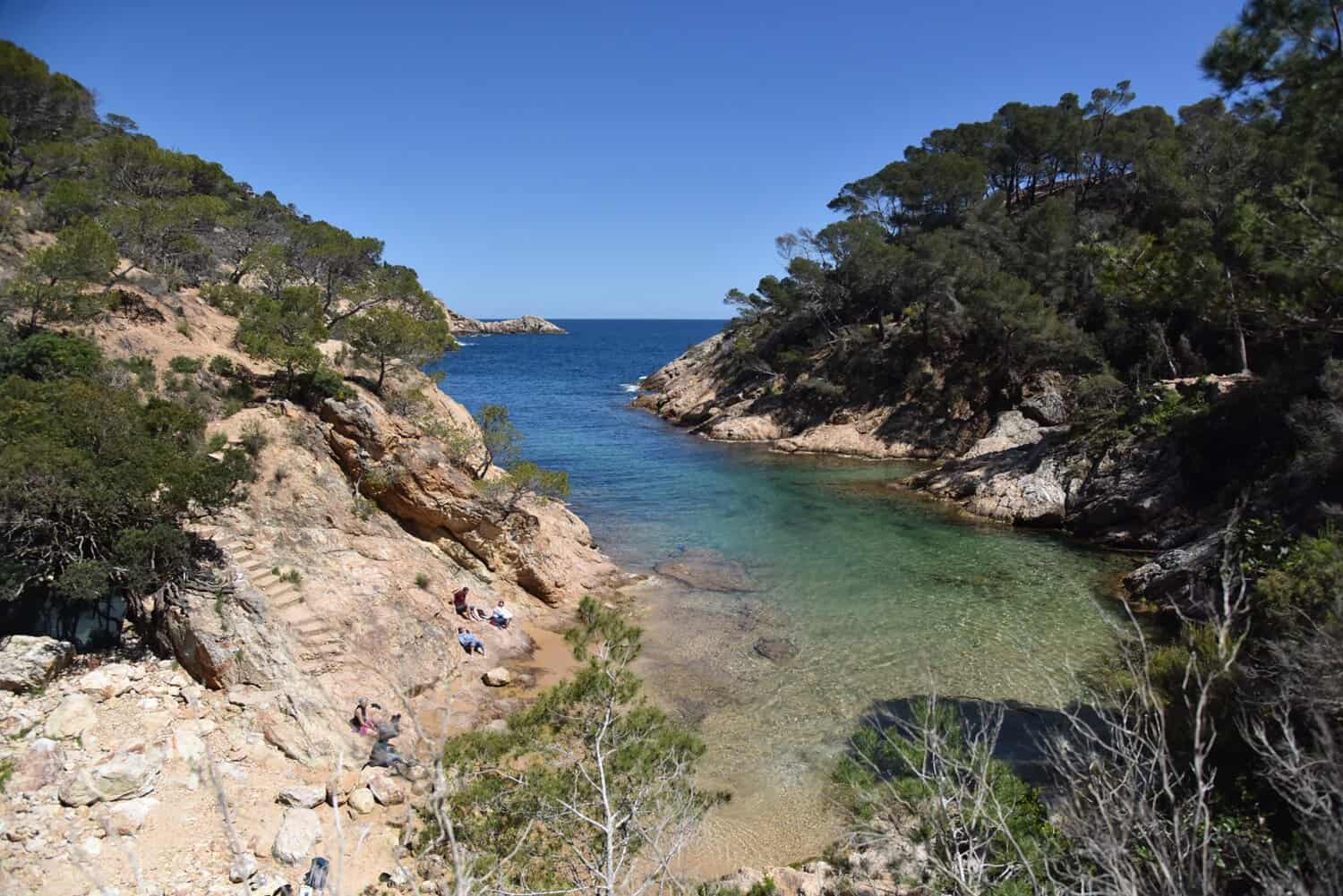
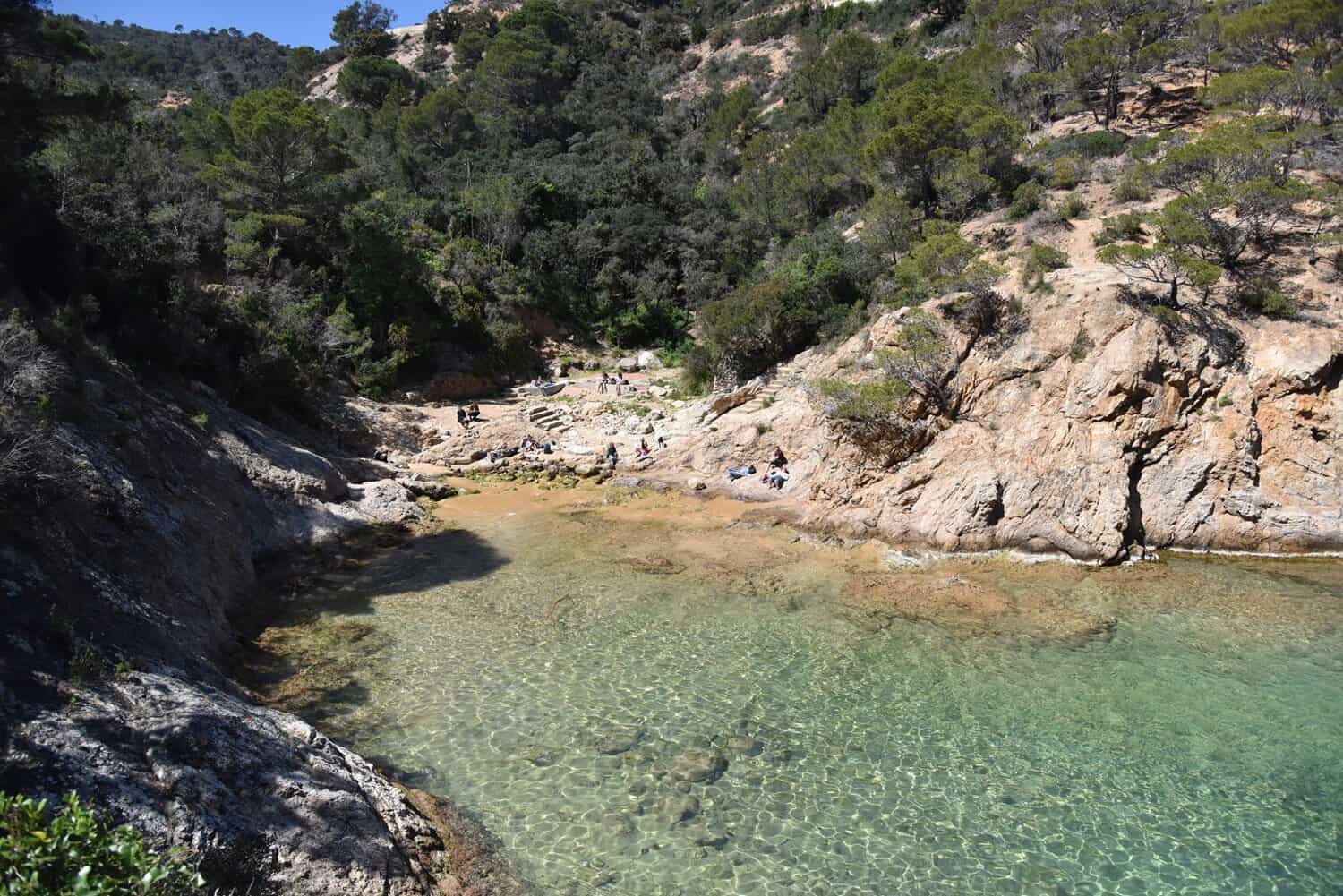
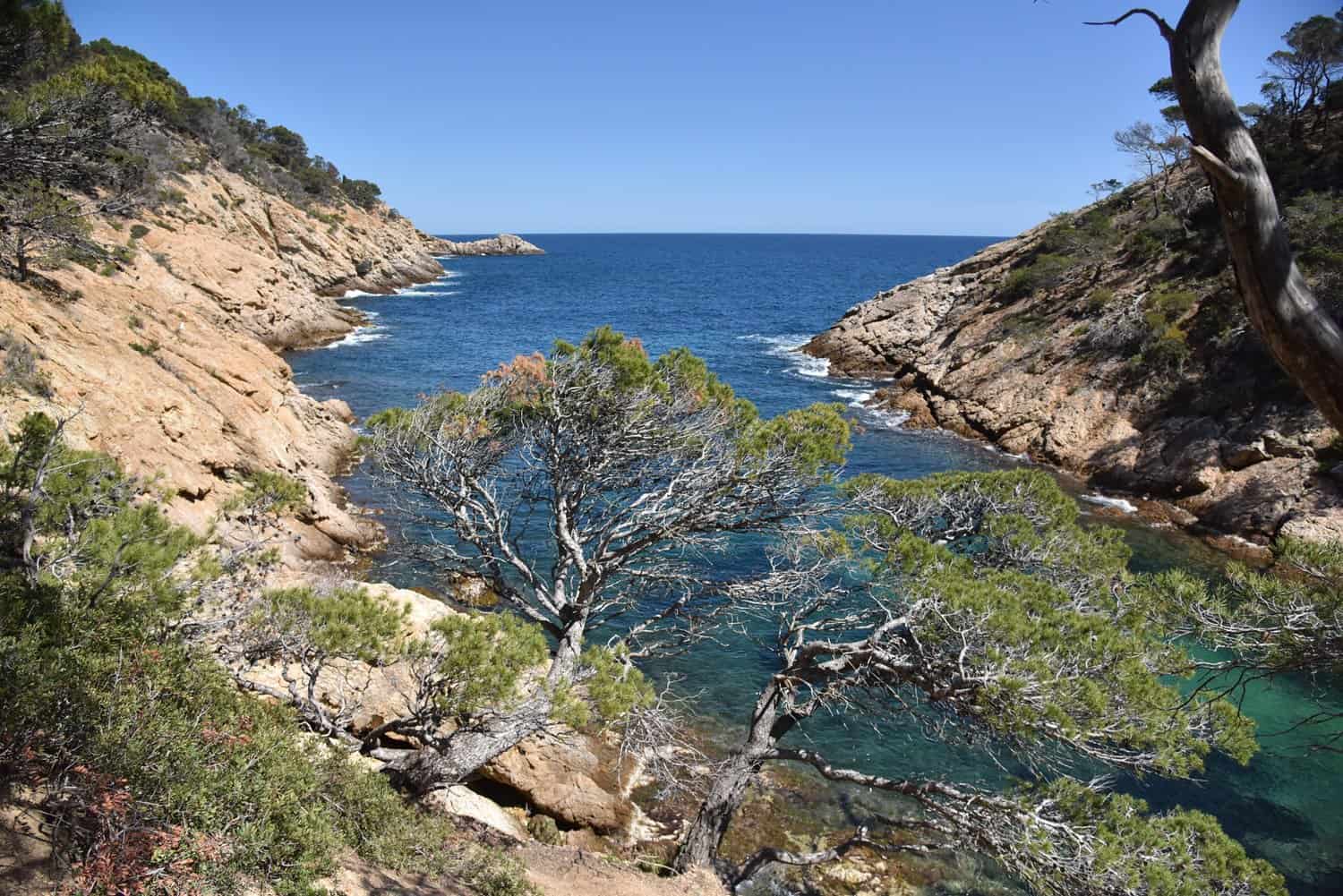
Nature lovers will enjoy the Camí de Ronda, a historic coastal path that leads to hidden coves, pine-covered cliffs, and spectacular viewpoints overlooking the rugged Mediterranean coastline.
An Artistic Legacy
In the early 20th century, Tossa de Mar became a retreat for artists and writers. Marc Chagall famously dubbed it the “Blue Paradise” for its unique light and enchanting scenery. The Municipal Museum, housed within the Vila Vella, exhibits works by artists who lived and painted here during the 1930s, alongside archaeological collections spanning from the Paleolithic era to Roman times.

***
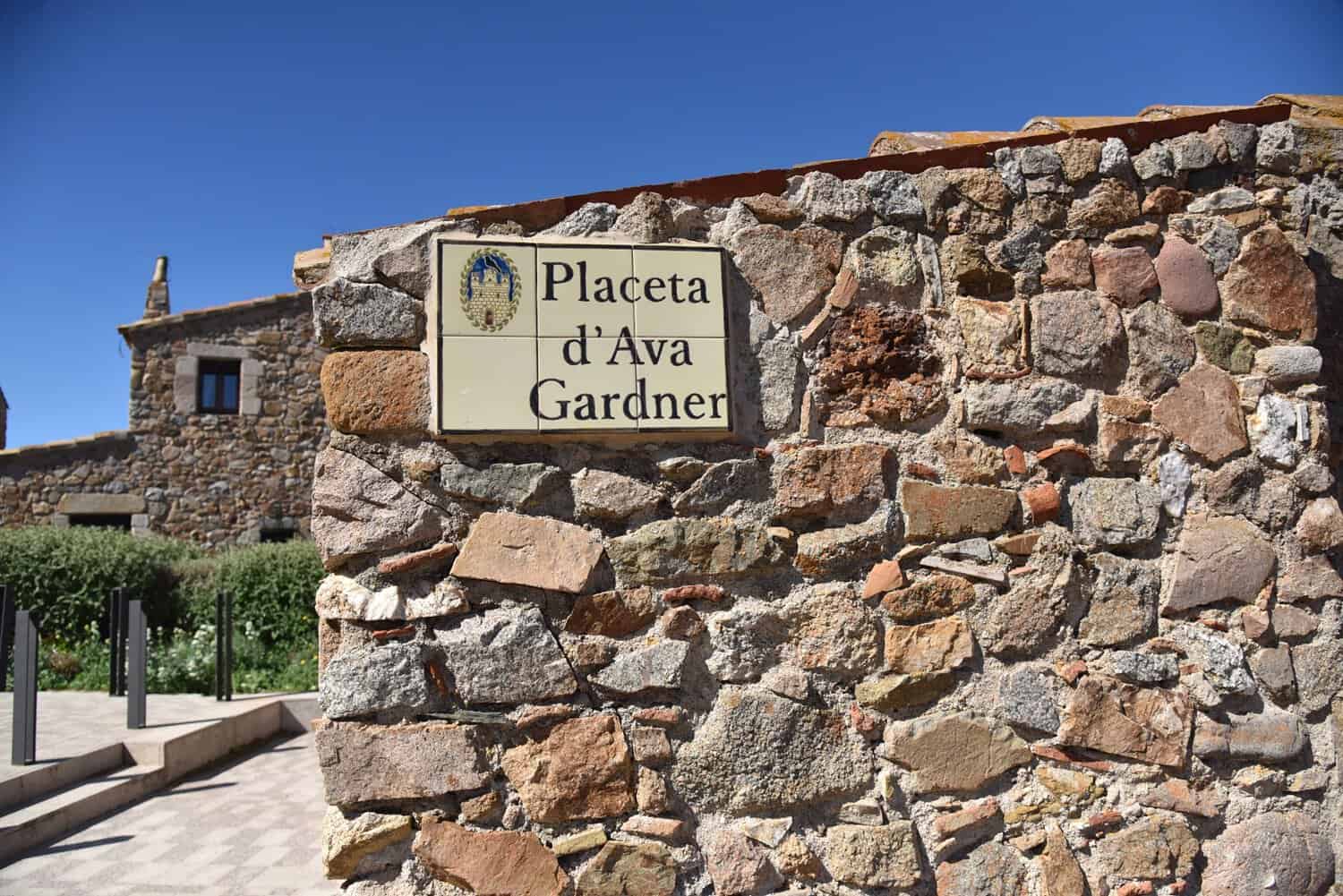
Hollywood also left its mark. In 1951, the town appeared in the film Pandora and the Flying Dutchman, starring Ava Gardner and James Mason. A statue of Gardner now stands in the old town, commemorating her time in Tossa.
Gastronomy and Local Flavor
The town is also known for its cuisine, which reflects the rich traditions of Catalan coastal cooking. Fresh seafood, suquets (fish stews), and rice dishes are staples in the local restaurants. Visitors can enjoy dining with views of the bay, or venture into the old town for intimate taverns serving regional specialties paired with local wines. Here are a couple of standout restaurants:
La Cuina de Can Simón A Michelin-starred gem tucked within the Vila Vella (old town), housed in a 17th-century fisherman’s house. Run by the Lores family (Josep María and Xavier), the restaurant blends local tradition and creativity, with seafood and Mediterranean staples sourced fresh daily.
Restaurant La Placeta Sitting at the base of Tossa’s medieval castle walls, La Placeta offers Mediterranean cuisine with generous portions. Diners especially praise its seafood, paella, and affordable daily menus enjoyed on the charming terrace overlooking the old town.
La Taverna da Paolo A warm and intimate Italian-Mediterranean restaurant with friendly service and a cozy ambiance. House-made pastas, fresh seafood dishes, and tapas are among the highlights of the menu.
Where to Stay
Tossa de Mar has a wide range of accommodation to suit every budget, from simple beachside stays to boutique gems and luxurious escapes. Whether you’re looking for an affordable base close to the old town or a lavish retreat with panoramic views of the Mediterranean, here are some of the best options:
Budget
Hotel Turissa Just a 5-minute walk from the beach, the hotel features an outdoor pool, bar with terrace, and comfortable air-conditioned rooms. Guests appreciate its convenient location near restaurants and attractions.
Mid-Range
Hotel Diana A historic family-run boutique hotel set on Tossa de Mar Beach, offering direct beach access and sea-view terraces. Housed in a modernist building designed by Gaudí’s disciple Antoni de Falguera, it features beautiful rooms overlooking Plaza de España or the sea.
Luxury
Elisabeth by the Sea Hotel An elegant beachfront property with direct sea access, a rooftop pool, and a full spa offering hot springs, sauna, hammam, and wellness treatments. Guests enjoy modern rooms and family-friendly dining with Mediterranean cuisine.
Getting There
By Car: the drive from Barcelona to Tossa de Mar is 100KM and takes about an hour and ten minutes.
By Bus: you can get on a Moventis bus from Barcelona Nord station. The price of a ticket is €16.10 one way and the journey takes 1 hour and 55 minutes. View the schedule here.
By Air: When arriving by plane you have two choices: Girona-Costa Brava Airport (GRO) and Barcelona-El Prat Airport (BCN). The Girona airport is much closer to Tossa de Mar.
Gallery
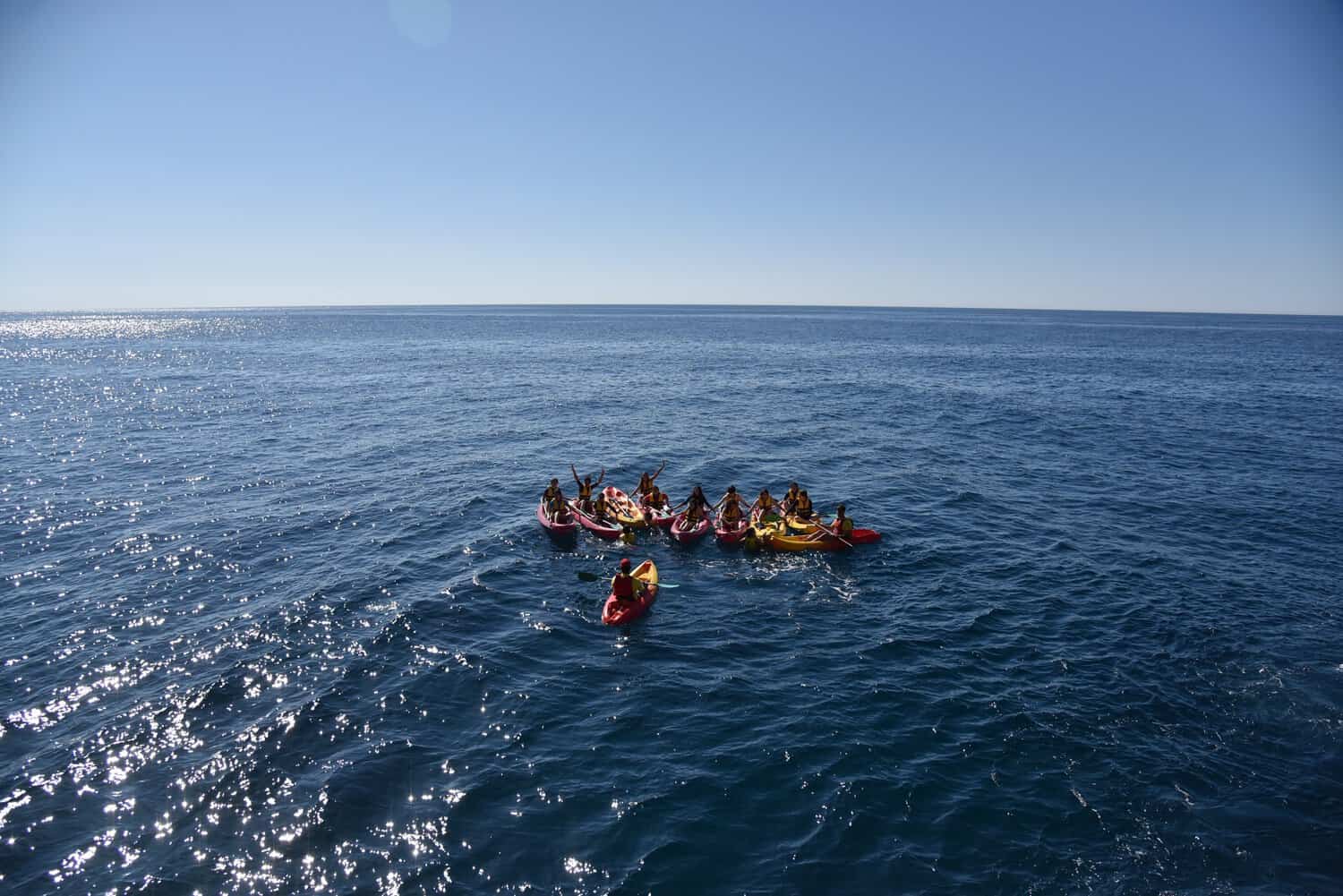
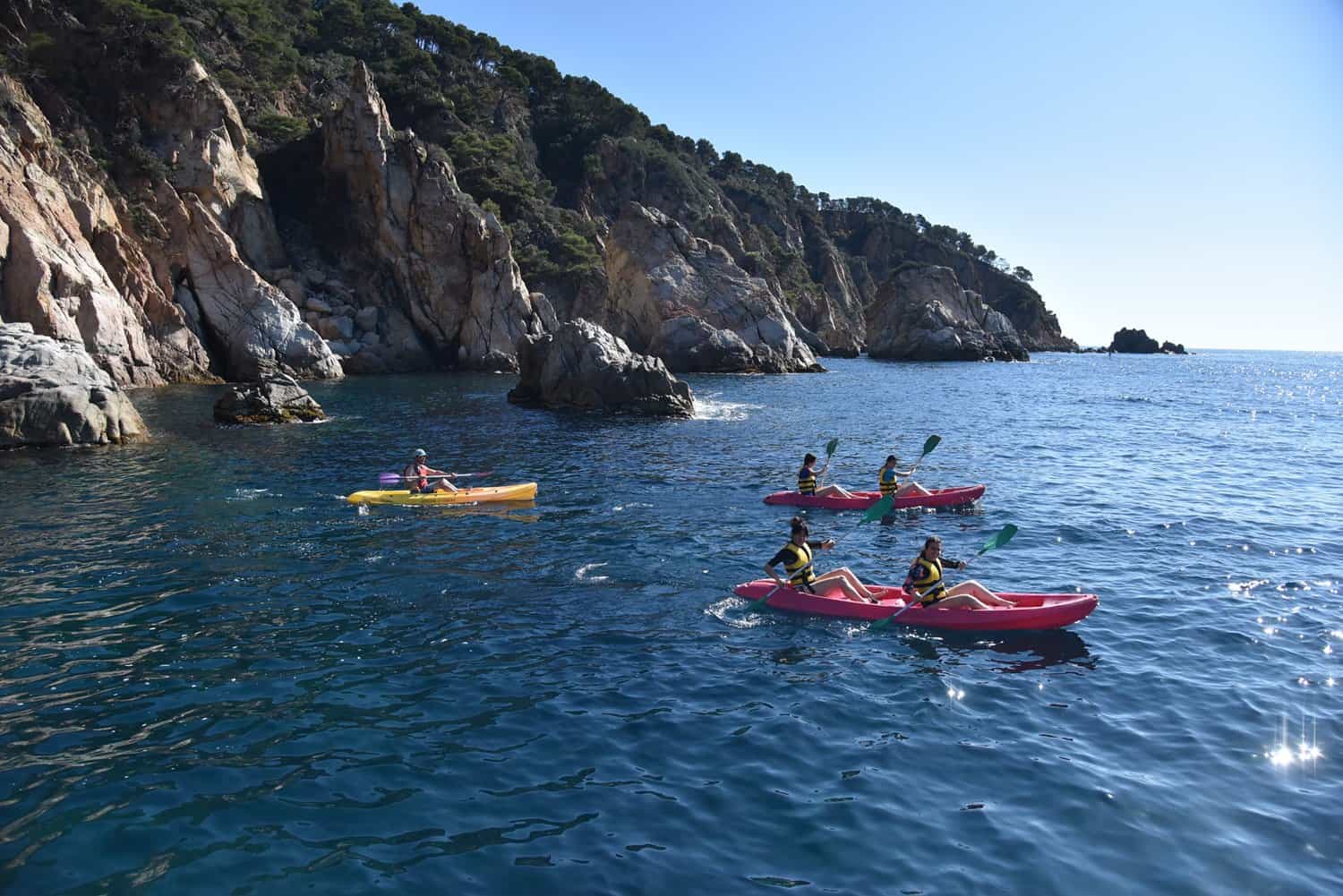
I really enjoyed hiking on the Cami de Ronda to the north of Tossa de Mar and discovering the beautiful coves (calas), like Cala Bona and Cala Pola. I saw the kayakers pictured below while taking the glass-bottom cruise boat from Lloret de Mar to Tossa de Mar.


FAQ
The best time to visit is from May to September when the weather is warm and ideal for swimming. For fewer crowds and pleasant temperatures, consider visiting in spring or early autumn.
Absolutely. The town is compact, safe, and walkable, with calm beaches and family-friendly hotels. Boat trips, mini-train tours, and water activities are popular with children.
Two to three days is ideal to explore the town, enjoy the beaches, and take in the main sights.
Yes, Tossa de Mar celebrates a range of lively festivals throughout the year, including the Winter Festival of Sant Vicenç in January and the Fishermen’s Festival of Sant Pere in June.

Barcelona enthusiast and writer Dan Blystone has spent over a decade uncovering the city’s history, culture, neighborhoods, and local events.