L’Ou com Balla
The Ou com Balla (dancing egg) tradition dates back to the 17th century, originating in the Barcelona Cathedral. The tradition takes place on the day of the Feast of Corpus Christi, 60 days after Easter.
Barcelona History
The Ou com Balla (dancing egg) tradition dates back to the 17th century, originating in the Barcelona Cathedral. The tradition takes place on the day of the Feast of Corpus Christi, 60 days after Easter.
Industrialist Eusebi Güell owned an estate in the Les Corts district with a Caribbean-style mansion called Torre Satalia, which is situated roughly where the Palau Reial de Pedralbes now stands.
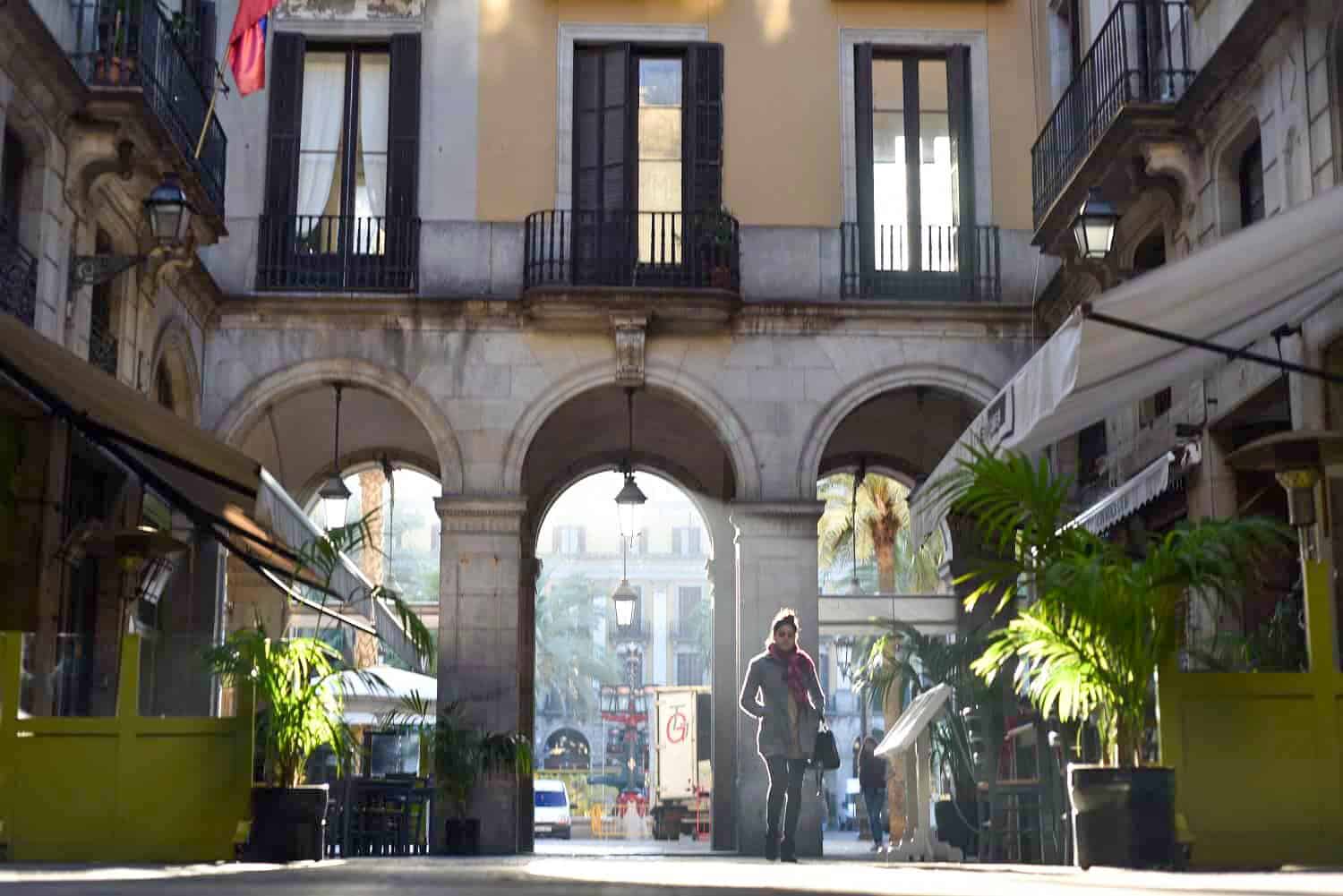
Just off La Rambla in the heart of the Gothic Quarter, Plaça Reial is one of Barcelona’s most iconic public spaces. Palm trees, graceful neoclassical arcades, and ornate lampposts frame a lively scene of cafés, music, and street performers.
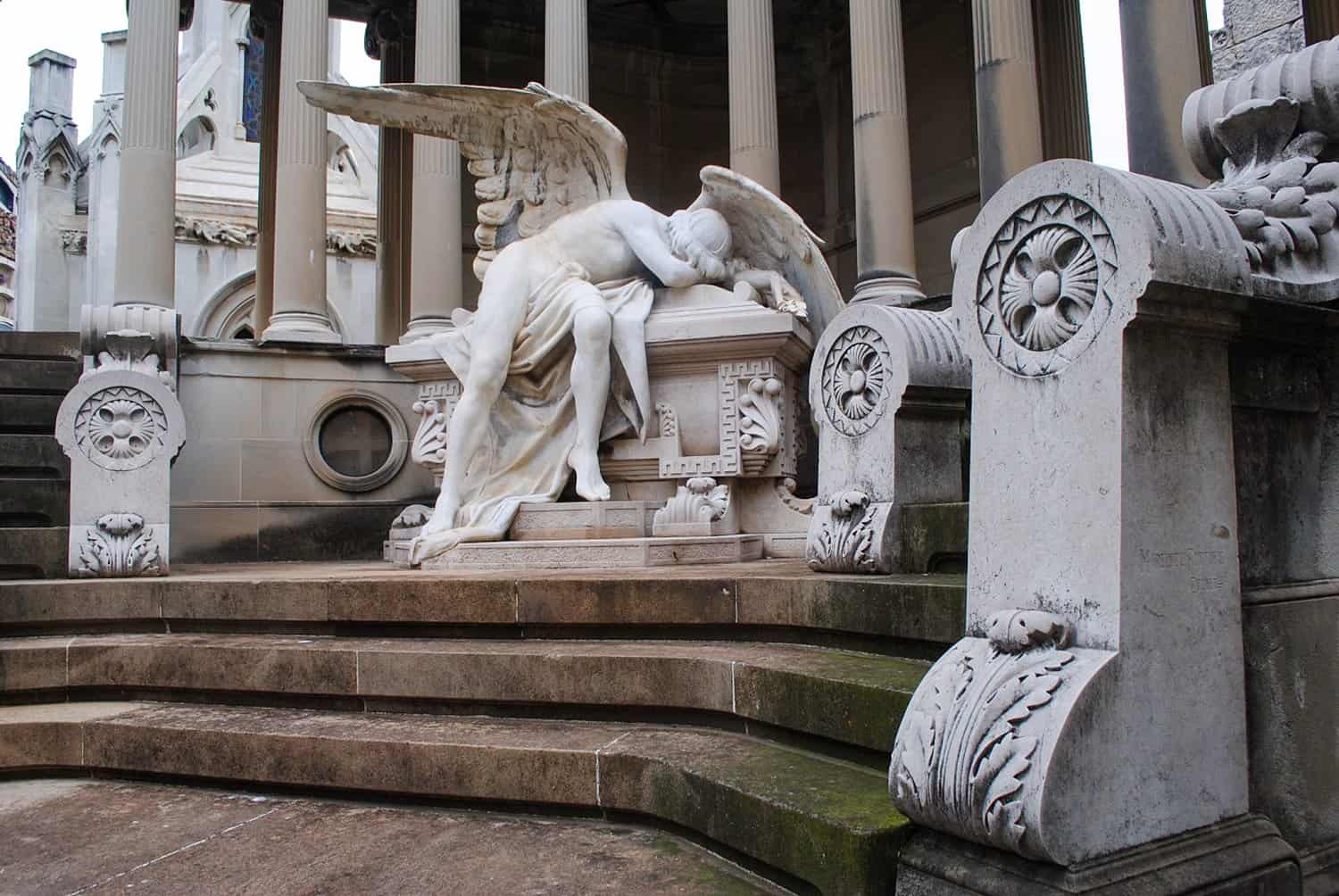
Set on the steep southwestern slopes of Montjuïc Hill, with sweeping views of the Mediterranean, Montjuïc Cemetery (Cementiri de Montjuïc) is one of Barcelona’s most striking yet overlooked landmarks.
Hidden in the Gothic Quarter, Plaça de Sant Felip Neri is a quiet, haunting square marked by history. Centered around a Baroque church, its scarred walls and serene atmosphere offer a powerful contrast to the city’s lively streets.