
This post may contain affiliate links.
Just 40 kilometers southwest of Barcelona lies Vilanova i la Geltrú, offering an authentic Catalan experience without the crowds. This vibrant maritime town combines golden beaches, rich cultural heritage, and exceptional cuisine, making it a perfect alternative to its more famous coastal neighbors.
Cultural Attractions
Vilanova i la Geltrú boasts a remarkable concentration of cultural institutions that reflect its rich maritime and industrial heritage. From one of Europe’s finest railway museums to a 19th-century “temple of knowledge” and an exquisitely preserved bourgeois mansion, the town offers visitors an authentic glimpse into Catalonia’s artistic, intellectual, and social history.
Museu del Ferrocarril de Catalunya (Railway Museum)
***
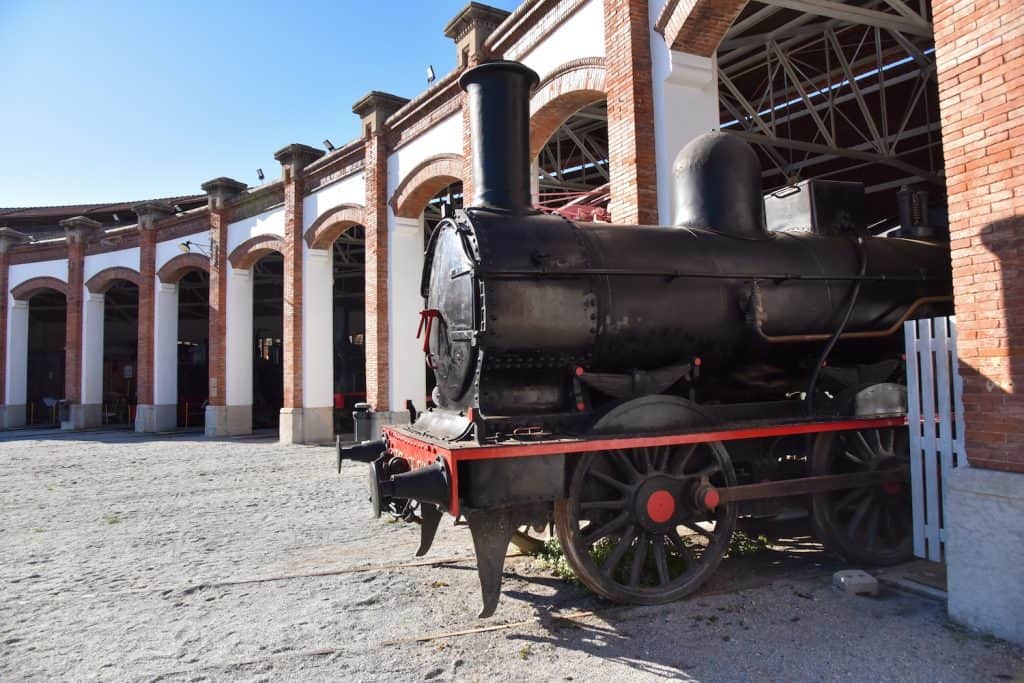
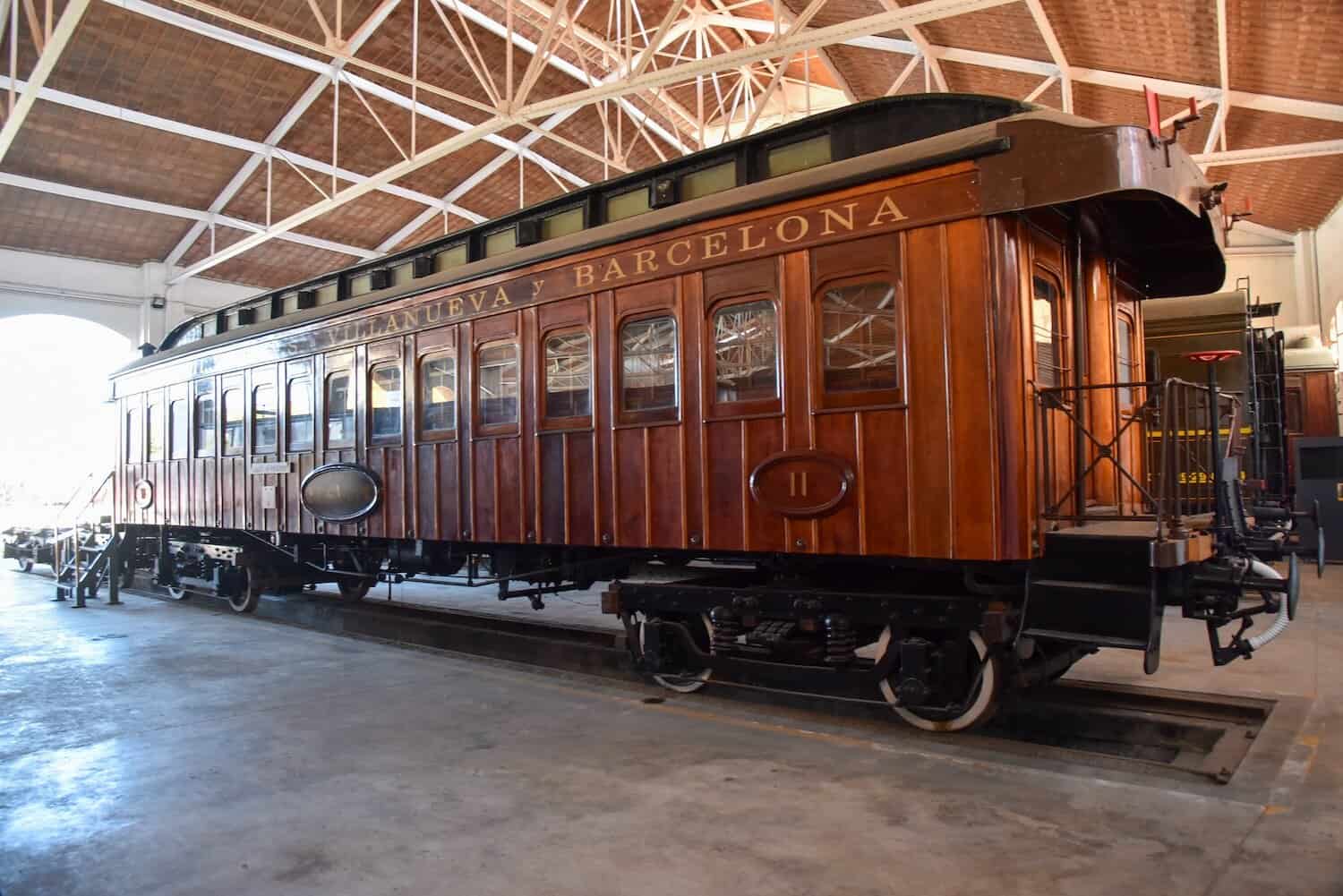
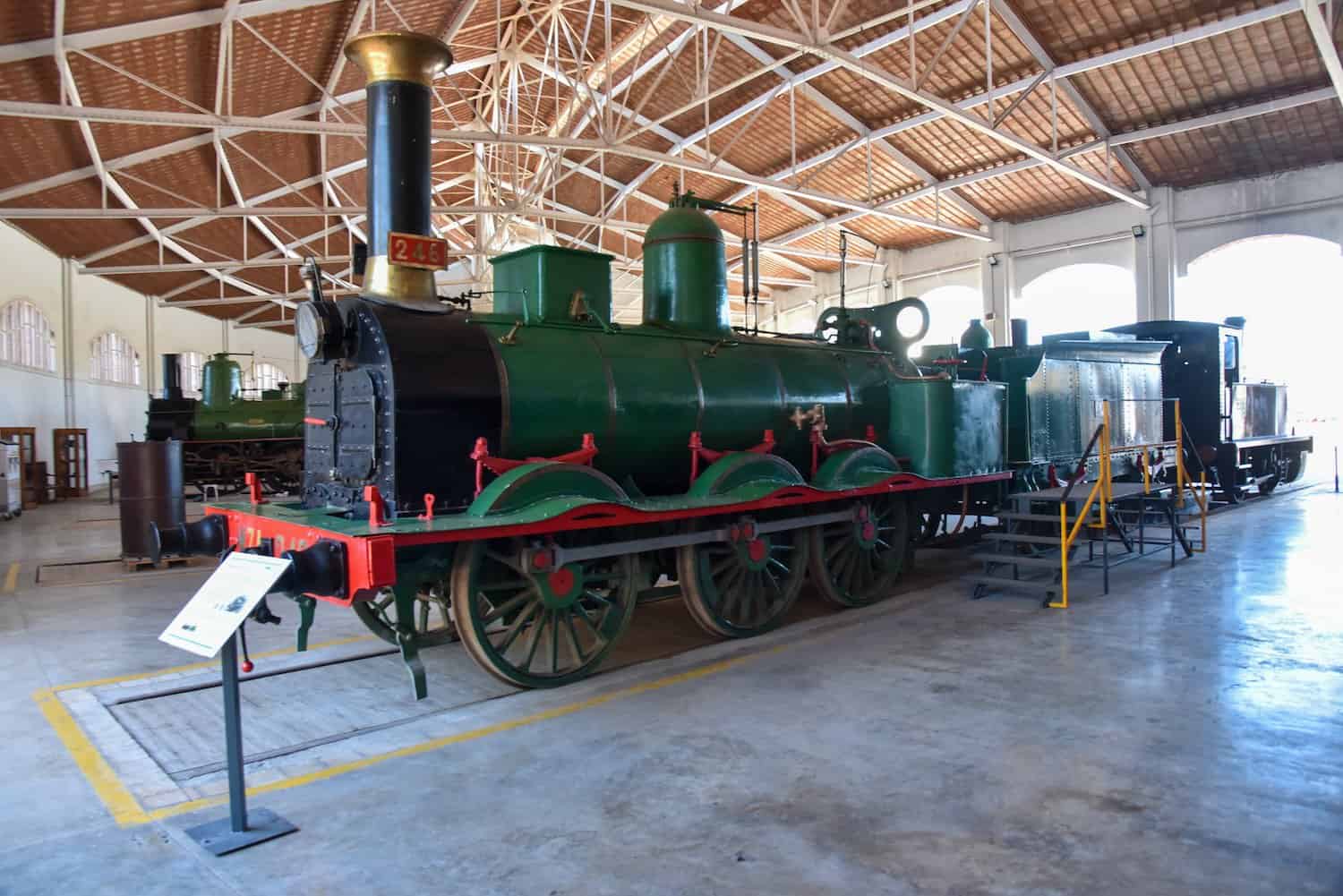
Conveniently located next to the train station, Museu del Ferrocarril de Catalunya is one of Europe’s premier railway museums. Housed in a historic 1881 steam depot, the museum features over 60 historic vehicles, including 28 steam locomotives and a replica of the first train on the Iberian Peninsula. With interactive exhibits, restored spaces, and special events, it offers an engaging look at the evolution of rail transport. Pictured above you can see the semi-circular railway roundhouse that leads to a rotating bridge.
Biblioteca Museu Víctor Balaguer

***
Founded in 1884 by the Catalan writer and politician Víctor Balaguer i Cirera, the Biblioteca Museu Víctor Balaguer is one of Catalonia’s most distinctive cultural institutions. Balaguer envisioned it as a temple of knowledge open to everyone, and housed it in an eclectic 19th-century building that blends neo-Egyptian and neo-Greek flourishes. From the outset, his personal collection of books and artworks was expanded by generous donations.
The ground floor preserves the original layout. One wing is devoted to the historic library, a dramatic, light-filled space inspired by Europe’s great reading rooms, lined with more than 50,000 volumes and rare manuscripts. Opposite, the art gallery feels like a classic 19th-century fine-arts pavilion, showcasing Catalan and Spanish painters such as Rusiñol, Casas, Fortuny and Martí Alsina. A room dedicated to the collection from the Museo del Prado exhibits a selection of paintings from the Spanish Golden age, including universal figures such as El Greco, Murillo and Ribera. Elsewhere, the museum’s breadth is striking: archaeology, decorative arts and ethnography from the Philippines, China and Japan, pre-Columbian objects. An Egyptian collection donated in 1886 by Eduard Toda, includes an unforgettable mummified child.
Upstairs, two major 20th-century additions, the Legacy 1956 group and works from the former Contemporary Art Museum of Barcelona, trace Catalan art from the early 1900s through the 1960s. Paintings by Anglada Camarasa, Mir, Nonell and Guinovart sit alongside works by artists closely linked to Vilanova i la Geltrú itself. With more than 10,000 artworks and artifacts, the museum remains a rewarding stop for curious travellers.
Can Papiol Museum

***
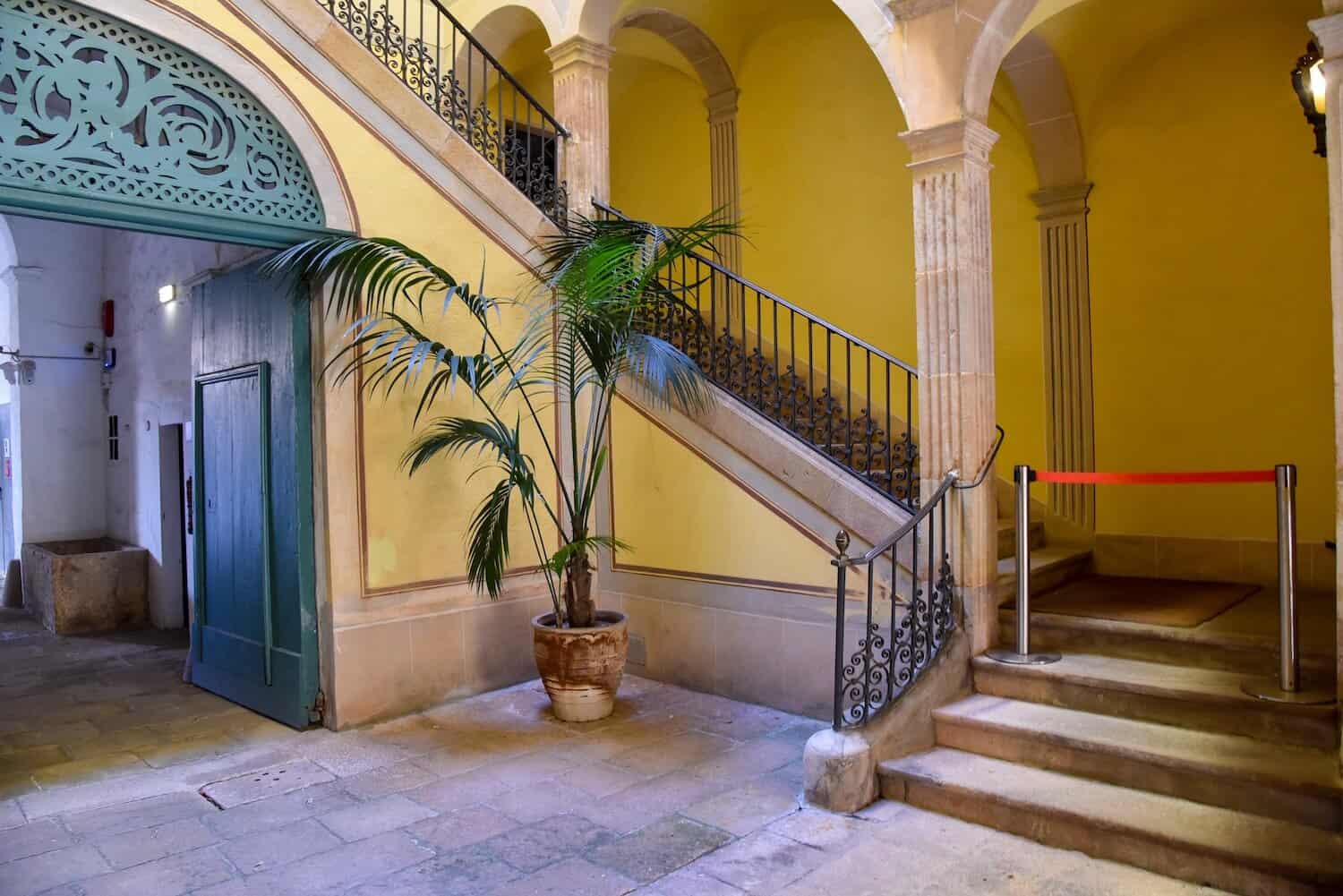
Set in the historic centre of Vilanova i la Geltrú, the Museu Romàntic Can Papiol is a beautifully preserved neoclassical mansion that brings 19th-century Catalan bourgeois life vividly into focus. Built between 1790 and 1801 for Francesc de Papiol i Padró, a prominent lawyer and Cádiz Cortes delegate, the house later passed to the Torrents family. The Diputació de Barcelona (the Provincial Council) acquired the estate in 1959 and it was inaugurated as a museum in 1961.
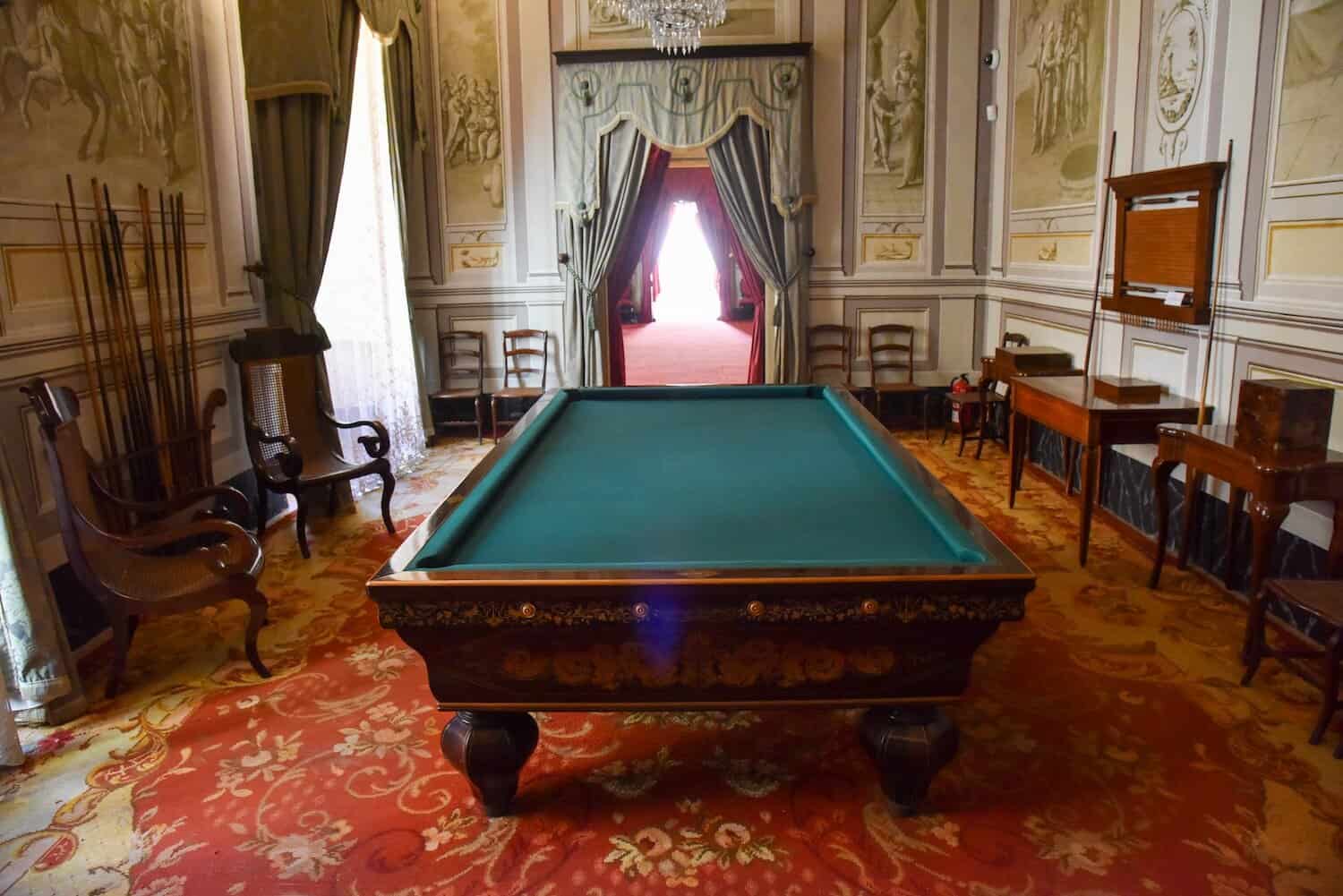
Behind its restrained façade, the interiors are richly decorated with original furnishings in Louis XV, Empire and Isabella II styles. Standout rooms include the grand ballroom, crowned by an elegant Murano chandelier, and the music room with its Viennese piano, once the setting for soirées and musical evenings. A mezzanine library holds around 6,000 volumes dating from the 16th to the 19th centuries. The private chapel has an urn said to contain the body of Saint Constance, a child martyr during the first Christian persecutions in Rome.
Beyond the formal rooms, visitors can explore the servants’ quarters and kitchen, revealing the rhythms of daily life behind the scenes. The visit ends in a romantic garden dotted with historic carriages and bicycles. Guided tours are available from Friday to Sunday.
Exploring the Town
Vilanova i la Geltrú’s town center invites leisurely exploration, from its grand tree-lined boulevard to its elegant neoclassical square and medieval quarter. These key areas showcase centuries of architectural evolution and remain the vibrant heart of daily life.
La Rambla
***
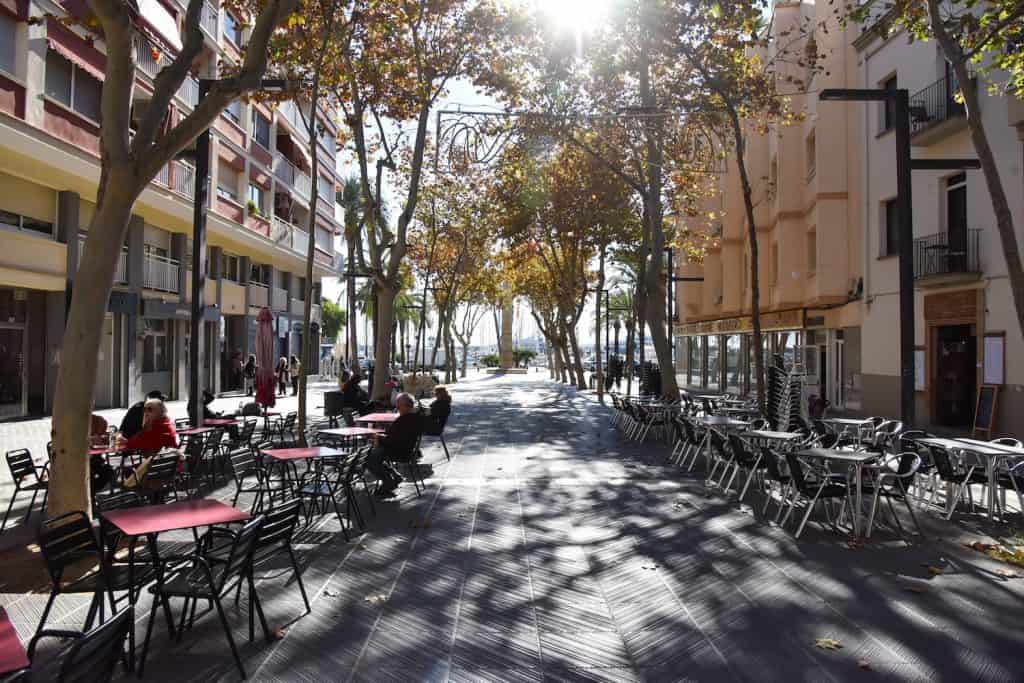
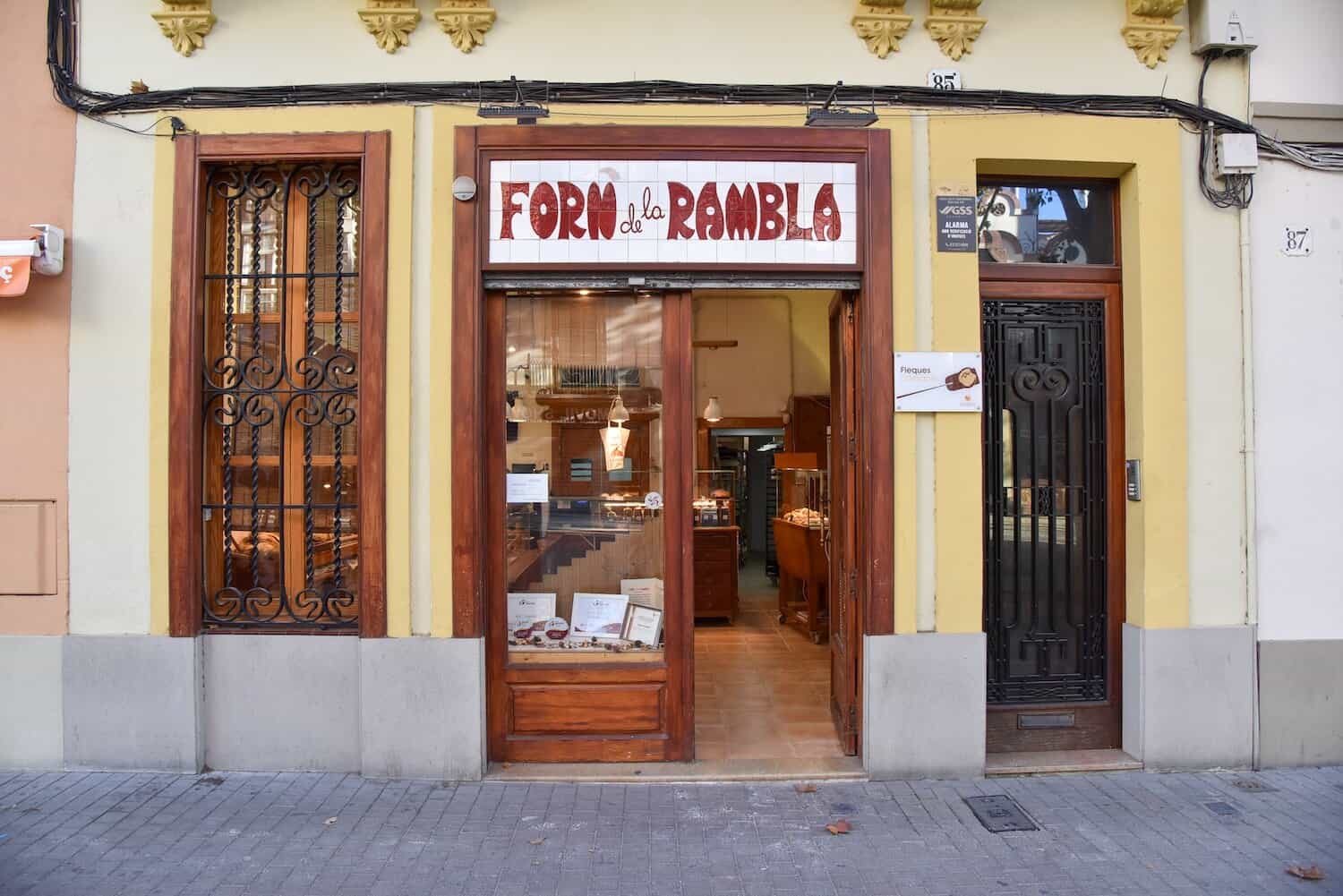
La Rambla Principal is the lively main promenade of Vilanova i la Geltrú, stretching one mile from Plaça de les Neus to the seafront. Originally laid out in 1754 and expanded over the centuries, it now serves as a lively social and commercial hub lined with cafés, shops, and historic buildings showcasing eclectic and modernist styles. Landmarks like Can Pahissa and Casa Magriñà highlight the town’s architectural heritage. Divided into Rambla Principal and Rambla de la Pau, this tree-lined boulevard hosts local festivals and daily strolls.
Plaça de la Vila

***
Plaça de la Vila is the civic and cultural heart of Vilanova i la Geltrú, known for its elegant neoclassical and Romantic architecture. Built in the mid-19th century with support from local textile magnate Josep Tomàs Ventosa i Soler, the square features arcaded facades, mosaic pavements, and a bronze statue of Ventosa at its center. Once the site of a Capuchin convent, it now hosts major events like Carnaval and casteller performances, serving as a lively gathering place that reflects the town’s history and community spirit.
Old Town

***
The old town of Vilanova i la Geltrú is a charming blend of medieval roots and evolving architecture, centered around the historic district of La Geltrú. With its narrow alleys and landmarks like the Gothic-era Castell de la Geltrú, the area preserves the city’s original medieval layout. As Vilanova expanded beyond its walls, neoclassical and modernist buildings emerged, shaping a unique urban tapestry.
Beautiful Beaches

***
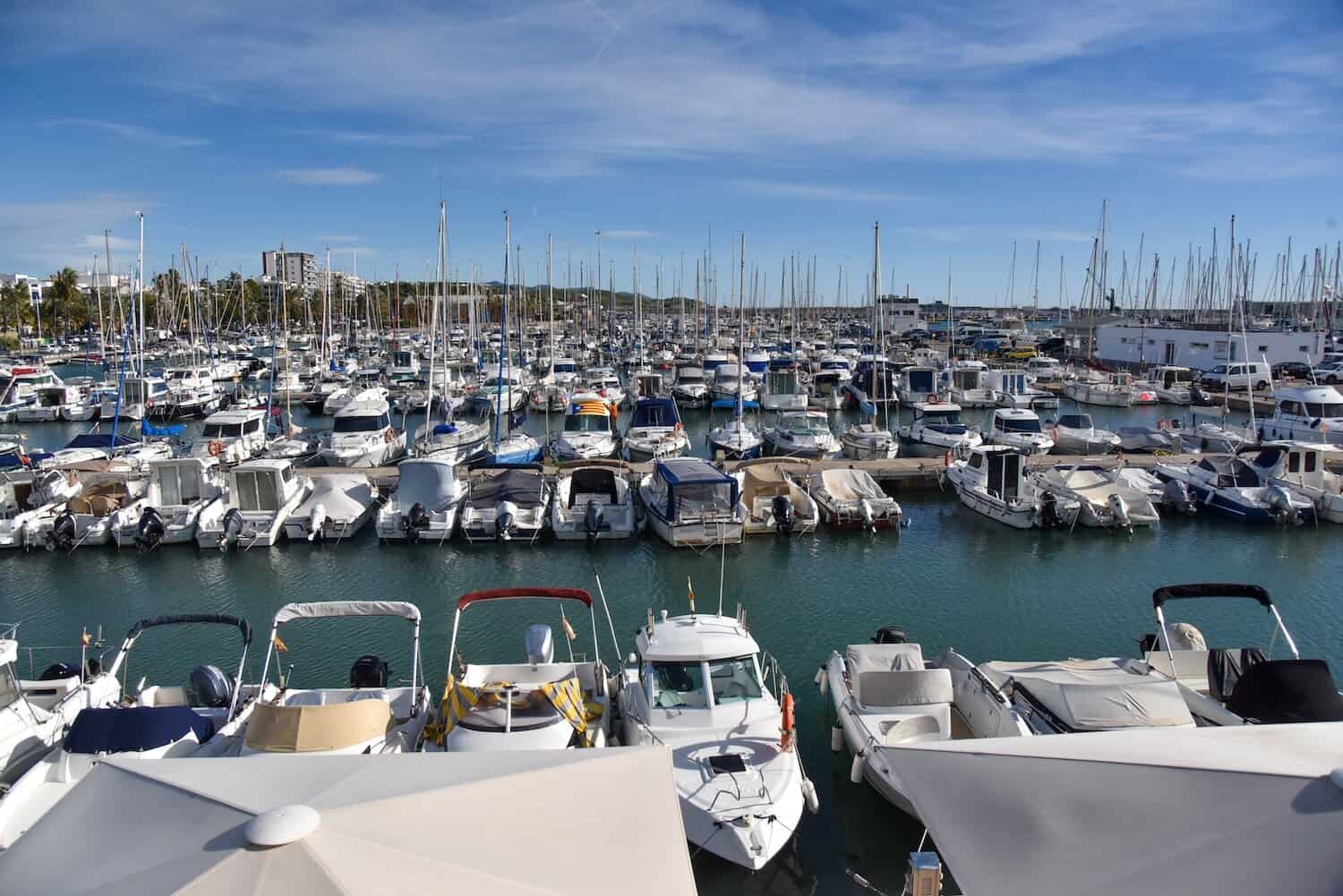
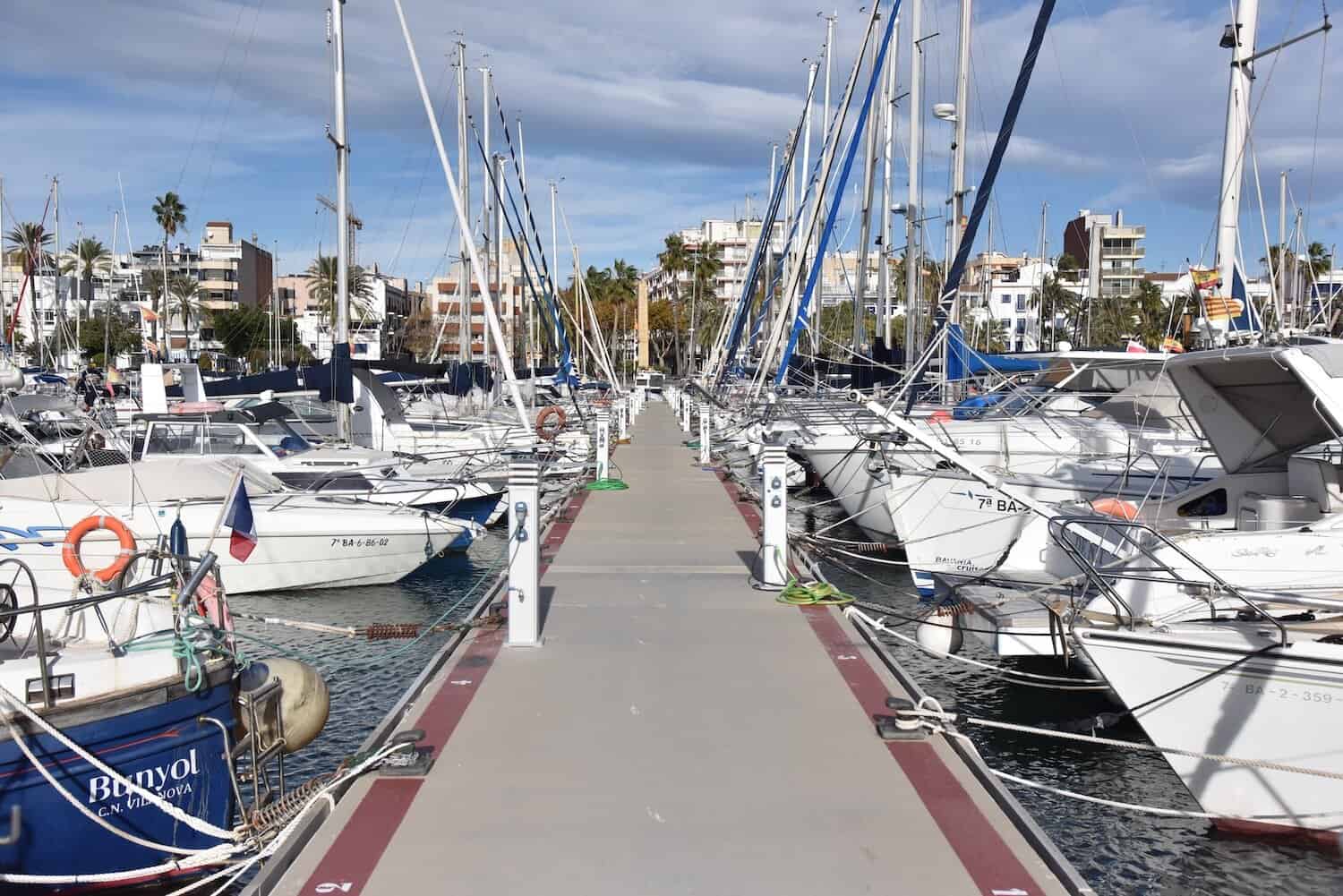
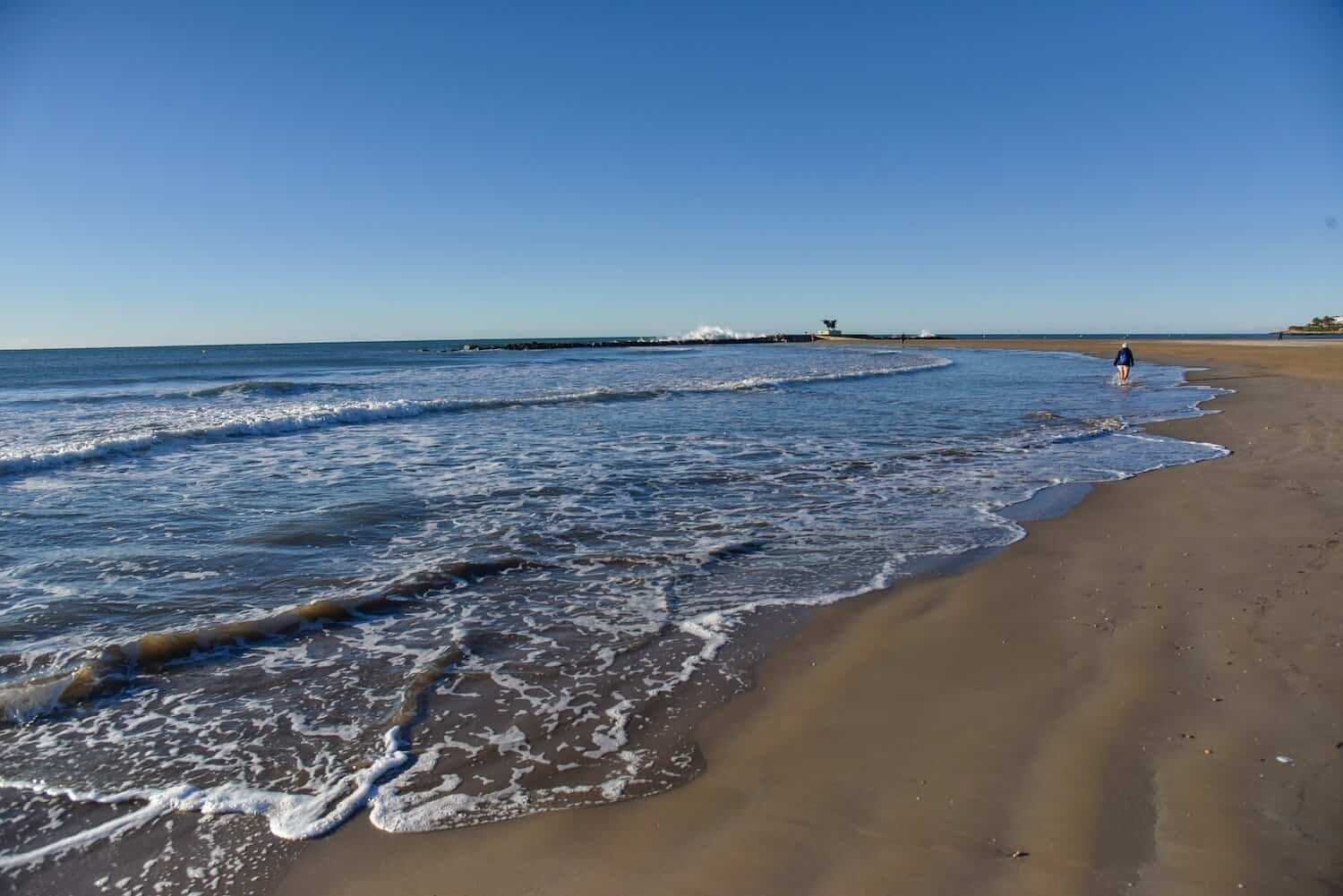
Vilanova i la Geltrú offers about 4 kilometers of pleasant, uncrowded beaches along the Catalan coast, just southwest of Sitges. The main stretch, Platja de Ribes Roges, features golden sand and calm waters protected by breakwaters, making it particularly family-friendly. The beachfront promenade is lined with seafood restaurants and chiringuitos, perfect for watching Mediterranean sunsets.
These Blue Flag certified beaches have good facilities and a more local, authentic atmosphere than busier resorts. The town’s working fishing port and proximity to Garraf Natural Park add to the genuine coastal appeal.
Public Art

***
In ancient Greek myth, Pasífae was the daughter of Helios, the sun-god, and the nymph Perse. She married Minos, king of Crete, whose failure to sacrifice a magnificent white bull angered Poseidon. As punishment, Poseidon caused Pasífae to fall in love with the bull. With the help of the craftsman Daedalus, she entered a hollow wooden cow to mate with the bull and thereby conceived the monstrous Minotaur (half-man, half-bull).
At the seaside promenade of the Ribes Roges breakwater, stands Oscar Estruga’s powerful and visually arresting sculpture of Pasífae. The work, cast in bronze in 1991 and installed in 1993, spans approximately 5.5 metres in length and 3.2 metres in height, weighing around 2.5 tonnes. The piece superimposes the mythic motif: a stylised bovine form, evoking the hollow cow-constructed by Daedalus, with the figure of Pasífae blended into the body.

***
The Memorial to Francesc Macià is a striking public monument honoring the city’s most famous native son, Francesc Macià i Llussà, the first president of the Generalitat de Catalunya and a key figure in the Catalan autonomy movement.
Sculpted by Josep Maria Subirachs and erected in 1983, the work takes the form of a tall, hollowed-out obelisk with a prominent image of Macià carved into its lower section. The memorial is situated at the start of the Rambla de la Pau and has become one of the town’s iconic landmarks.
Where to Stay
Hotel Ceferino is a charming beachfront property in Vilanova i la Geltrú offering air-conditioned rooms, some with sea views, along with an à la carte restaurant. It is a short walk from the old town and train station, with easy access to Sitges and Barcelona, and couples especially appreciate its excellent location.
The elegant Hotel Cèsar occupies a restored 19th-century mansion just steps from the beach. Its rooftop terrace offers panoramic views of the Mediterranean, while the rooms blend period features with modern comforts.
MAREA Hotel Modern beachfront apartments with kitchens, balconies, and free Wi-Fi. Located near Platja de Ribes Roges, it features a gym, game room, and on-site café, just a short walk from the town center.
Best Restaurants
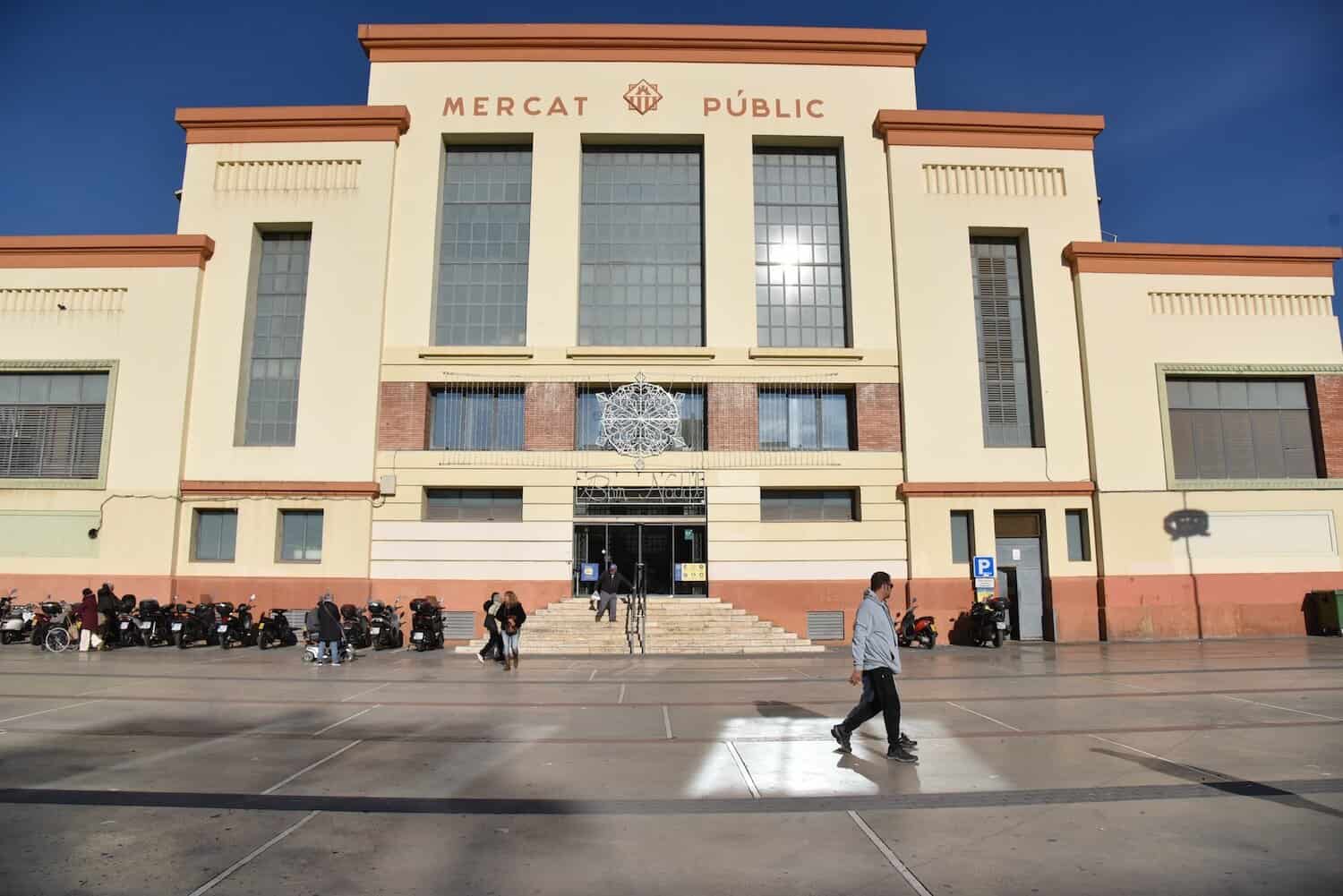
Vilanova’s fishing fleet, one of the most important in Catalonia, ensures the freshest seafood at local restaurants. Visit the Llotja de Peix (fish market) to witness the daily fish auction, a spectacle of maritime commerce.
For an authentic dining experience, La Cucanya serves exemplary Catalan seafood dishes with stunning sea views. The xató – a local specialty salad with endive, cod, tuna, anchovies, and romesco sauce – is particularly celebrated here.
Cal Purgat is a beloved family-run restaurant located in the whitewashed old town. The restaurant specializes in Mediterranean cuisine with international touches. One of Cal Purgat’s unique features is its extensive wine list of over 500 options.
Festivals and Events
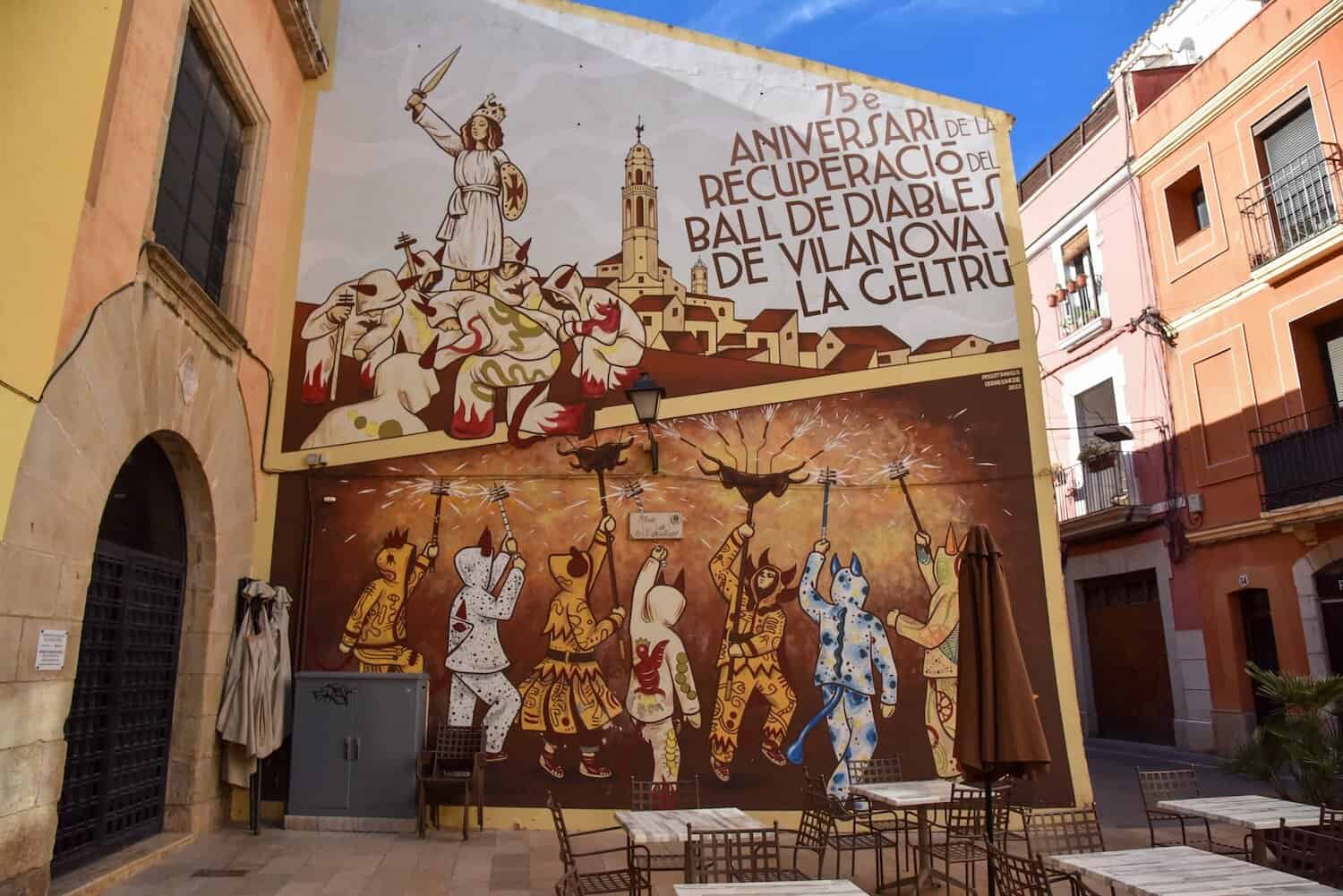
The town truly comes alive during its festivals. February’s Carnival features parades and the unique “guerra de caramels” (candy war), while Festa Major in August honors the town’s patron saint with human towers, fireworks, and processions.
Getting There and Around
Vilanova i la Geltrú is easily accessible by frequent train services from Barcelona (approximately 45 minutes). The compact town center is best explored on foot, though a network of buses connects to outlying areas and beaches.
When to Visit
While summer offers perfect beach weather and lively festivals, spring and autumn provide milder temperatures ideal for exploring the cultural attractions without the crowds. Winter brings a more tranquil atmosphere with mild temperatures and opportunities to experience local traditions.
Local Legends
The legend of Vilanova i la Geltrú’s origin tells of inhabitants fleeing the feudal lord of La Geltrú to escape abuses of power, particularly the droit du seigneur (right of the first night). A couple is said to have founded a new settlement called “Vila Nova” near the sea, soon joined by other settlers seeking freedom.
The story holds powerful symbolic meaning for the community, representing rebellion against feudal oppression and the desire to build a free society. The town was officially chartered by King James I of Aragon in 1274, and the two settlements (La Geltrú and Vilanova de Cubelles) formally merged in 1368.
Final Thoughts
Vilanova i la Geltrú offers the perfect blend of seaside relaxation, cultural exploration, and gastronomic indulgence. Whether you’re seeking a day trip from Barcelona or a longer stay to immerse yourself in authentic Catalan life, this coastal gem rewards visitors with its unpretentious charm and genuine warmth.
Gallery










🗺️ Related Guides
Looking for more charming destinations like Vilanova? Discover beautiful medieval villages, coastal towns, and hidden gems throughout Catalonia.
From scenic coastal walks to mountain trails, discover some of the best hikes in and around Barcelona, including routes perfect for a day trip.
Planning more adventures? Explore the best day trips from Barcelona, from seaside towns and historic cities to mountains, vineyards, and natural parks.

Barcelona enthusiast and writer Dan Blystone has spent over a decade uncovering the city’s history, culture, neighborhoods, and local events.